The Foyer Has a Language: How to Read the Room Before the Curtain Rises
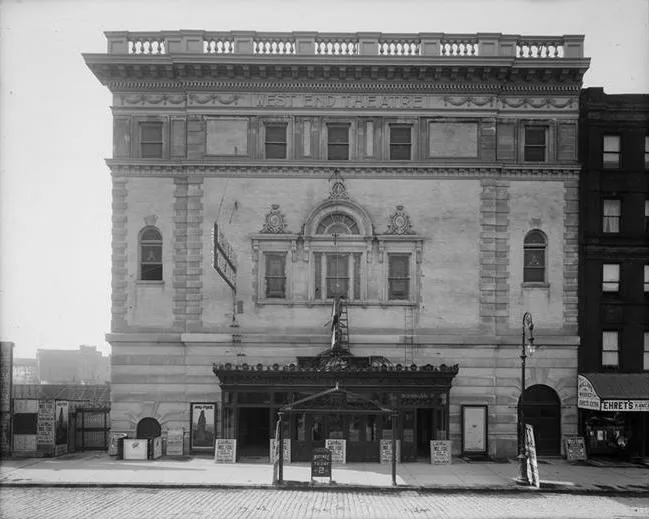
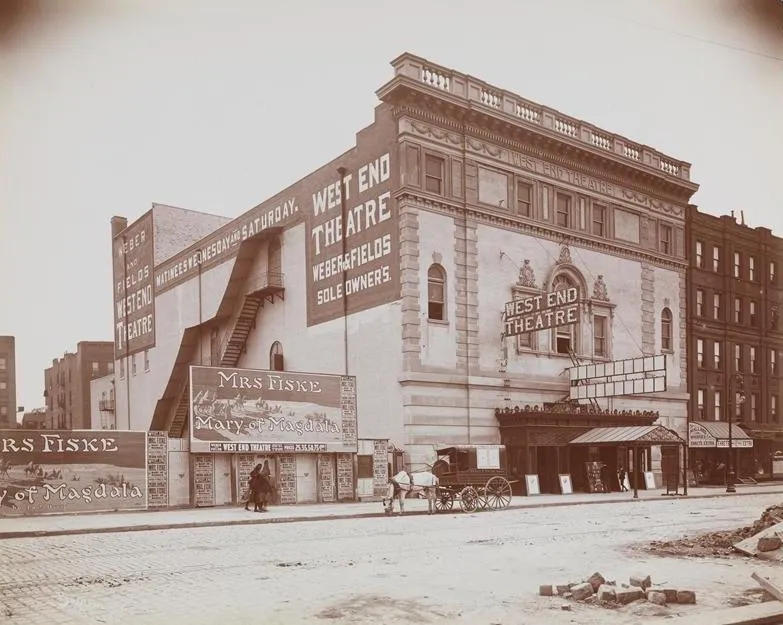
Photo: Wurts Bros. (New York, N. Y.), photographer; Neville & Bragge, architect, Public domain, via Wikimedia Commons
It’s 7.12pm on a Thursday and the foyer of a big West End house is doing that familiar hum: coat check queues, a distant ice clink, someone asking whether the bar takes cash. Then a voice comes over the speakers — calm, unhurried, almost bland — and says: ‘The house is now open.’ Half the queue moves. The other half keeps talking. And somewhere near the doors, a front-of-house manager makes a small note on a clipboard and thinks, bless them, they’ve got no idea what that actually means.
That’s the thing about theatre language. It isn’t designed to be decoded. It’s designed to keep 1,200 people moving safely through a building that was never built for 1,200 people to move through at once. But once you start listening, the foyer stops being a holding pen and starts looking like choreography.
‘The House Is Now Open’ Is a Green Light, Not a Suggestion
It sounds polite. It is, in fact, operational. When front of house announces that the house is open, it means the auditorium has been signed off, ushers are in position, and stage management has been told the audience is about to start coming in. It is not a request to finish your drink at leisure. It is the moment the building changes gear.
If you hear it, treat it as your cue. Finish the prosecco, visit the loo, find your seat. The foyer is about to shift from a holding area into a through-route, and the ushers — who have been standing by the doors like calm air traffic controllers — are about to get busy. Regulars hear this phrase and move. Tourists hear it and order another round. You can guess which group is still climbing over knees when the lights go down.
The Latecomer Clause Is Choreography, Not Punishment
‘Latecomers will be admitted at a suitable break.’ It sounds like bureaucracy. It’s actually one of the kindest bits of theatre etiquette going.
The suitable break is decided by stage management, often in consultation with the company. It might be after the first number, after a scene change, or at the interval. It is not chosen to humiliate the person who misjudged the Tube. It’s chosen so that the audience already inside isn’t disturbed, the performers aren’t thrown, and the latecomer isn’t left standing in a doorway in the dark. There is a reason ushers hold the doors during certain moments — a quiet entrance mid-ballad is not the vibe.
If you are late, the worst thing you can do is argue. The usher knows the plan. You don’t. Wait where you’re asked, follow them in, and take the seat they give you — even if it’s not yours yet. You’ll be moved at the break. This is not a power trip; it’s a relay race, and you’ve just joined the baton handover.
‘Is There a Doctor in the House?’ — The Sentence Nobody Wants to Hear
It is rare, but it happens. A faint, a fall, a medical emergency in the stalls. The call goes out — sometimes over the PA, sometimes quietly through the usher team — and the room changes temperature.
What you should know: front-of-house staff are trained for this. They have first-aid protocols, defibrillators, and a direct line to emergency services. If you are a clinician and you can help, approach an usher or the duty manager quietly and identify yourself. Do not shout your credentials from row H. Do not film it. Do not treat it as a plot twist. If you are not a clinician, stay seated, keep the aisles clear, and follow instructions. The show may pause. It may not. Either way, the building has a plan, and it is not the one you’re improvising in your head.
The Other Phrases You’re Probably Missing
‘Please take your seats’ is gentle. ‘The performance will begin in five minutes’ is firmer. ‘This production contains…’ is a content warning, not a spoiler — read it. ‘Please refrain from singing along’ means exactly that, unless it’s a sing-along show, in which case they’ll tell you. ‘The use of cameras and recording equipment is strictly prohibited’ includes your phone, your smartwatch, and the little screen you think nobody can see. ‘Please mind your step’ is not decorative — West End seating is full of rakes, steps, and low lighting designed to make actors look good, not to guide your feet.
And then there’s the interval choreography: ‘The bars will close in five minutes.’ That’s not a threat. It’s a warning that the second half is about to start and the queue for the loo is about to become a contact sport. Order now or commit to a dry second act.
Coded Calls and the Half-Hour Hush
Backstage-adjacent language bleeds into the foyer more than you’d think. The ‘half’ — the half-hour call — is the shorthand that tells the company the building is shifting gears. ‘Beginners’ is the call for the actors due onstage at the top of the show. ‘House close’ means the doors are shutting and the performance is about to begin. None of this is announced to the audience, but you can feel it: the ushers straighten, the doors close, the chatter drops, and the foyer suddenly looks like a room holding its breath.
Press nights are their own dialect. The foyer is fuller, the calls come earlier, and the ushers have the particular look of people who have been told there will be photographers. You’ll hear ‘mind the step’ more often, and ‘please keep the aisles clear’ with a bit more edge. It’s still the same choreography — just with more people watching.
The Etiquette Bit: How to Be a Good Foyer Citizen
Arrive early. Listen to the announcements. Don’t crowd the bar when the doors open. Keep the aisles clear. Be kind to the usher who asks you to finish your drink before you go in. Don’t ask for exceptions to the photography rule — they’re not being difficult, they’re protecting the company’s work. And if you need help, ask quietly. Front-of-house staff are not bouncers. They’re the soft infrastructure that lets a theatre run on time, and they’ve heard every excuse going.
Why the Quiet Language Matters
None of this is red tape. It’s care, dressed up as procedure. The phrase ‘latecomers will be admitted at a suitable break’ is not there to make you feel small. It’s there so that 1,200 people can share a room without ruining the thing they’ve all paid to see. The foyer has a language. Learn it, and the whole night runs smoother — from the first ‘house is now open’ to the last ‘mind your step’ on the way out.