Rough Edges, Full Hearts: In Defence of the First Preview
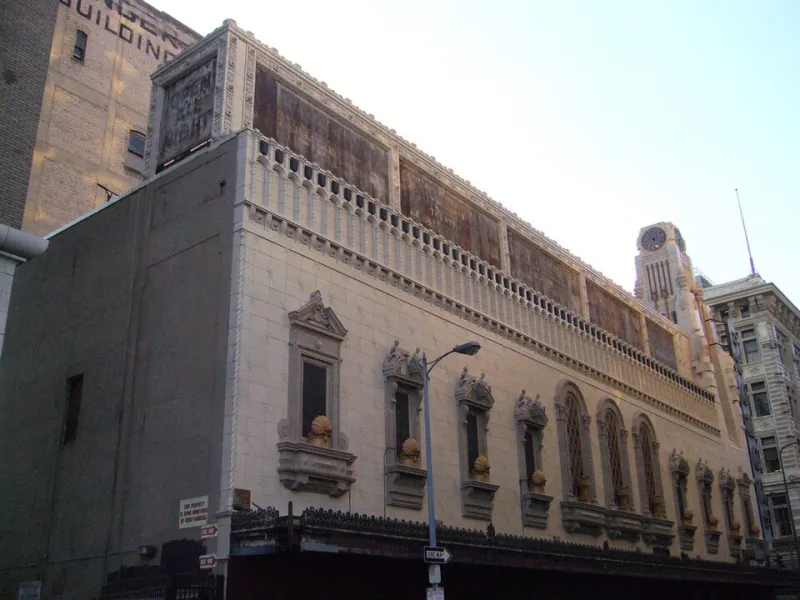
Photo: Nick Bradshaw from London, UK, CC BY-SA 2.0, via Wikimedia Commons
There is a particular hush before a first preview. It is not the hush of opening night, which is all photographers and fake laughter and someone's very good coat. It is a working hush. The show is not finished. Everyone knows it. The audience is about to see something that is still becoming itself.
That should not be a warning. It should be the selling point.
The cue that arrives a beat late
A first preview is where you can feel the show thinking. A lighting cue lands a fraction after the line. A sound effect is a little too loud. A scene change has the careful, slightly tense quality of people who have rehearsed it but not yet performed it in front of strangers.
This is not incompetence. It is live theatre doing the thing live theatre does best: adjusting. By the second week, those edges will be sanded down. By opening night, the whole thing will purr. But on a first preview, you can see the joins, and the joins are fascinating.
The actor-audience pact
There is a private agreement in a first preview. The actors know the audience is not the final audience. The audience knows the actors know. That mutual awareness creates a strange, generous atmosphere. The first laugh is not just a laugh; it is a co-production. The first pause that lands is a discovery. The first moment of silence that goes on a second too long is a lesson.
You are not watching a finished product. You are watching a company learn what it has. That is a privilege, not a risk.
The audience is part of the rehearsal
First preview audiences are not passive. They are the first real feedback loop. A laugh in an unexpected place tells the company something. A cough in a quiet scene tells them something else. The show is being edited by the room, not just by the director. That is why the energy is different. You are not watching a product; you are participating in a test. The actors can feel it. The crew can feel it. The front of house can feel it.
The price tells the truth
Previews are usually cheaper. Not always dramatically, but enough to matter in a city where a decent seat can cost more than a week's groceries. That lower price is not a discount on quality. It is a discount on certainty. You are paying less because the show is not yet fixed, and you are getting something that opening night cannot offer: the feeling of being in the room when it clicks.
In 2026, with ticket prices what they are, that is not a small thing. A first preview is one of the last genuinely democratic nights in the West End. It is full of people who are there because they want to see the show, not because they want to be seen at it.
The risk is the point
Yes, something might go wrong. A set piece might stick. A joke might not land. An actor might reach for a line and find it just out of reach. That is the deal. You are not buying polish. You are buying presence.
And when it works — when a first preview suddenly catches fire — there is nothing like it. The audience is not applauding a machine that has been running for six months. It is applauding a group of people who have just found something in real time.
Opening night is for the show. First preview is for the people who saw it become itself. Take the rough edges. They are the best bit.